The 13-Year Streak Just Snapped
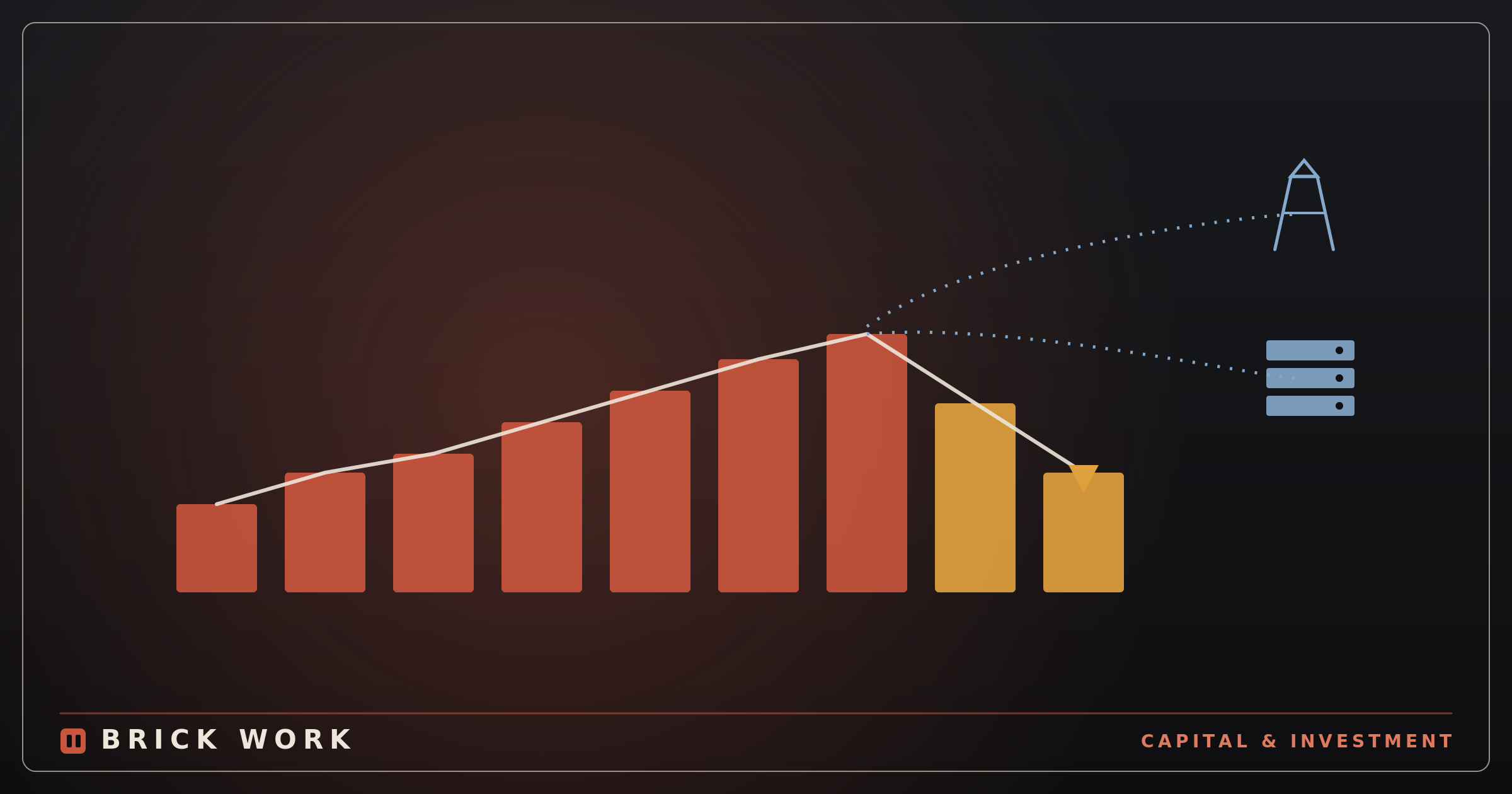
For over a decade, the big allocators — pensions, insurers, endowments — planned to put a little more of their portfolio into real estate every year. In 2025 that reversed. The Hodes Weill / Cornell Allocations Monitor clocked target real-estate allocations at 10.7%, the first decline in thirteen years. It's small — ten basis points — but the direction is the whole story.
Where did the intended dollars go? To two rivals. Roughly 60% of investors now say infrastructure and private credit compete directly with real estate for the same slot in the portfolio. Data centers, power, toll-road-style assets, and lending funds are all pitching the thing real estate used to own outright: steady, inflation-resistant yield.
The family-office version of the same move
UBS's 2026 family-office report shows the global average real-estate allocation sliding from 11% toward a planned 8% — down from 14% in 2019 — with the money rotating into infrastructure and power. But here's the LA-relevant wrinkle: U.S. family offices went the other way, roughly doubling real estate to about 20% over three years. Same asset class, opposite bets, depending on who's holding the checkbook.
> 10.7% — institutional target allocation to real estate, down for the first time since 2012.
This is not a crash signal
Two reasons to keep perspective. First, there's an enormous pile of unspent capital behind these numbers — global private-equity dry powder sits around $3.7 trillion. It isn't gone; it's waiting. Second, plenty of big pensions are actually under-allocated to real estate versus their own targets, which is a coiled spring, not an exit.
The bigger shift is structural: as banks pulled back, private credit stepped in. Something like $4.5 trillion of commercial real-estate debt matures by 2028, and debt funds are projected to handle a quarter to a third of the lending. For an investor, that's the tell — in this cycle, the reliable money is often in the loan, not the deed.
The honest read
Real estate didn't fall out of favor so much as lose its monopoly on "boring and steady." It now has to win the yield argument against infrastructure and private credit every single quarter. That's healthy. It means sloppy deals get punished and genuinely mispriced ones — an under-allocated buyer, a maturing loan someone has to refinance — get rewarded. Stop asking whether capital likes real estate. Ask where, in the capital stack, it's being paid best to show up.
Sources
- Hodes Weill & Cornell — Institutional Real Estate Allocations Monitor: https://www.hodesweill.com/real-estate-allocations-monitor
- UBS — Global Family Office Report 2026: https://www.ubs.com/global/en/media/display-page-ndp/en-20260528-global-family-office-report-2026.html
- Preqin — Private Equity in 2026 (dry powder): https://www.preqin.com/insights/global-reports/private-equity-in-2026
- Ares — Private Credit Outlook 2026: https://www.aresmgmt.com/news-views/perspectives/private-credit-outlook-2026-growth-and-maturity